Six months have passed since his arrest on January 3 , when the ousted president was taken to the Metropolitan Detention Center in Brooklyn , accused of drug trafficking and illegal possession of firearms . Since then, the case has been under the supervision of Judge Albert Hellerstein , who has made it clear that this is a criminal trial and not a political debate.
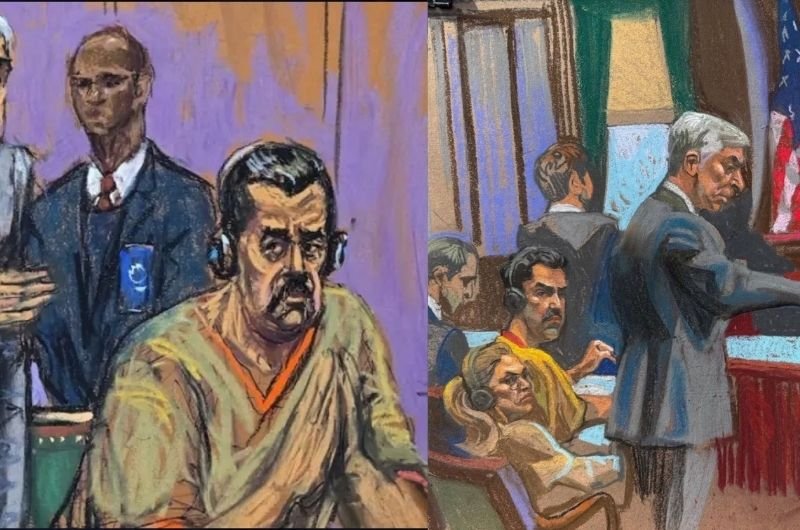
First clashes in court
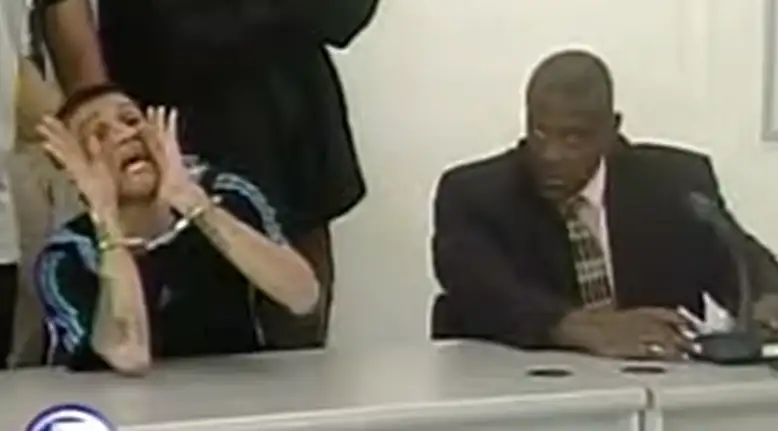
In his first court appearance on January 4, Maduro attempted to present himself as “President of the Bolivarian Republic of Venezuela” and claimed to have been “kidnapped in a US military intervention.” The judge’s response was unequivocal: “Sir, I only asked for your name.” With that statement, Hellerstein set the tone: no political titles would be tolerated in his courtroom.
When asked to state his position regarding the charges, Maduro insisted on his innocence: “I am innocent, I am not guilty, I am a decent man.”
The second hearing: without titles or privileges
The second chapter of the trial was also marked by tension. The defense for Cilia Flores , Maduro's wife, attempted to refer to her as "first lady." The judge immediately interrupted: "There are no first ladies here. This is a trial."
The defense sought to have the case dismissed, claiming a lack of resources to pay legal fees due to OFAC sanctions that freeze its assets. However, Hellerstein rejected the request and authorized the use of frozen Venezuelan funds to cover the expenses, a decision that has sparked outrage among the Venezuelan population .
What's at stake
The third hearing is shaping up to be a decisive moment. Maduro will no longer be able to resort to political speeches or official titles: the court has established that this process focuses on verifiable crimes, evidence, and testimony .
The case not only exposes the downfall of the self-proclaimed leader of Venezuela, but also reflects the clash between the rhetoric of power and the judicial reality of the United States .